
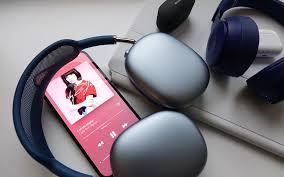
When Atmos Enhances the Listening Experience (And When It Doesn’t)
Not all music is created equal, and neither is its suitability for Dolby Atmos. The format excels in certain contexts but can fall flat—or even detract from the experience—in others. Here’s a breakdown of when Atmos works and when it might not be worth the investment.
When Atmos Works Best
-
Immersive Soundscapes: Tracks that rely on atmospheric or ambient elements, such as electronic, cinematic, or experimental music, often benefit from Atmos. The format allows sounds to move freely around the listener, creating a sense of depth and space that stereo can’t replicate. For example, a producer working with field recordings or layered synth textures can use Atmos to place elements in a 3D environment, making the listening experience more engaging.
-
Narrative-Driven Music: If your music tells a story—whether through lyrics, instrumentation, or structure—Atmos can enhance the narrative. For instance, a concept album with shifting perspectives or a dynamic build-up can use spatial audio to guide the listener’s attention. Think of it like a film soundtrack: Atmos can make the listener feel like they’re inside the story, not just observing it.
-
Live or Organic Performances: Atmos can recreate the feeling of being in a live venue, which is particularly effective for genres like jazz, classical, or acoustic music. By placing instruments in specific locations around the listener, Atmos can mimic the experience of sitting in a concert hall or a small club, adding a layer of realism that stereo can’t achieve.
When Atmos Might Not Add Value
-
Minimalist or Intimate Music: Tracks with sparse instrumentation or a focus on raw emotion, such as solo piano or acoustic singer-songwriter material, may not benefit from Atmos. The format’s strength lies in its ability to create space, but if your music is already intimate, adding spatial elements can feel gimmicky or distracting.
-
High-Energy, Fast-Paced Genres**: Music that thrives on energy and immediacy, like punk, metal, or certain subgenres of electronic music, may not see much benefit from Atmos. These styles often prioritise impact and clarity over spatial immersion, and the added complexity of Atmos can sometimes dilute the raw power of the mix.
-
Budget or Time Constraints: Atmos mastering requires additional time, resources, and expertise. If you’re working with a tight budget or deadline, the investment may not be justified unless you’re certain it will enhance your music. For many independent artists, stereo mastering remains the more practical choice.
Creative Scenarios Where Atmos Shines for Indie Artists
While Atmos isn’t a universal solution, there are specific creative scenarios where it can elevate your music in ways that stereo simply can’t. Here are a few examples of how independent artists are using Atmos to push boundaries and connect with listeners on a deeper level.
- Reinventing Classic Tracks for a Modern Audience
Some artists are using Atmos to breathe new life into older material. For example, a producer might take a well-known stereo track and reimagine it in Atmos, adding layers of spatial effects to create a fresh listening experience. This approach can attract both longtime fans and new listeners who are curious about immersive audio. It’s particularly effective for artists with a back catalogue, as it offers a way to reintroduce older work in a modern format.
- Enhancing Visual Media
Atmos isn’t just for music—it’s also a powerful tool for visual media. Independent filmmakers, game developers, and content creators are increasingly using Atmos to create immersive soundscapes that complement their visuals. For example, a musician scoring a short film can use Atmos to place sounds in sync with on-screen action, making the audio feel like an integral part of the storytelling. This opens up new opportunities for collaboration and revenue streams beyond traditional music releases.
- Creating Interactive Listening Experiences
Some artists are experimenting with Atmos to create interactive or dynamic listening experiences. For instance, a producer might design a track where certain elements move around the listener based on their head movements (when using headphones) or their position in a room (when using a multi-speaker setup). This level of interactivity can make the listening experience feel more personal and engaging, particularly for fans who enjoy exploring music in new ways.
- Highlighting Specific Instruments or Vocals
Atmos allows artists to isolate and emphasise specific elements of a mix. For example, a vocalist might use Atmos to place their voice in the centre of the soundstage, while instruments swirl around them. This can create a sense of intimacy and focus, drawing the listener’s attention to the nuances of the performance. It’s a technique that works particularly well for artists who want to showcase their craftsmanship, such as jazz musicians or singer-songwriters.
Commercial and Strategic Value Beyond Streaming Platforms
While streaming platforms like Apple Music and Tidal have embraced Dolby Atmos, the format’s value extends far beyond just ticking a box for algorithmic playlists. For independent artists, Atmos can open doors to new audiences, revenue streams, and creative opportunities that stereo mastering alone can’t provide.
- Standing Out in a Crowded Market
The music industry is more competitive than ever, and artists are constantly looking for ways to differentiate themselves. Atmos can be a powerful tool for standing out, particularly in genres where immersive audio is still relatively rare. For example, an electronic producer releasing a Dolby Atmos version of their track might attract listeners who are curious about the format, giving them an edge over artists who only release in stereo.
- Attracting Sync Licensing Opportunities
Sync licensing—placing music in films, TV shows, video games, and advertisements—is a lucrative revenue stream for many independent artists. Atmos is increasingly in demand for high-end sync placements, particularly in visual media that prioritise immersive sound. By offering Atmos versions of your tracks, you can position yourself for these opportunities and command higher licensing fees.
- Building a Premium Brand
Atmos is often associated with high-quality, cutting-edge audio. By embracing the format, artists can position themselves as forward-thinking and premium, which can be particularly valuable for those targeting niche audiences or high-end markets. For example, a label specialising in ambient or experimental music might use Atmos to reinforce its brand as a leader in immersive audio.
- Future-Proofing Your Music
While Atmos may not be the dominant format today, its adoption is growing rapidly. By mastering your music in Atmos now, you’re future-proofing your catalogue for the day when immersive audio becomes the standard. This is particularly important for artists with long-term career goals, as it ensures their music remains relevant and accessible as technology evolves.
The Hidden Costs: What to Consider Before Investing
Dolby Atmos mastering isn’t just about the upfront cost—it also requires additional time, resources, and expertise. Before diving in, it’s important to weigh the hidden costs and logistical challenges to ensure the investment aligns with your goals.
- Time and Workflow Adjustments
Atmos mastering is more complex than stereo mastering, and it requires a different workflow. For example, you’ll need to consider how to translate your stereo mix into a 3D space, which can involve additional mixing and editing. This process can be time-consuming, particularly if you’re new to spatial audio. If you’re working with tight deadlines, the extra time required for Atmos may not be feasible.
- Equipment and Software
To mix and master in Atmos, you’ll need compatible software and hardware. While many DAWs now support Atmos (such as Logic Pro, Pro Tools, and Ableton Live), you may need to invest in additional plugins or monitoring systems to achieve professional results. For example, a multi-speaker setup or a high-quality pair of Atmos-compatible headphones can significantly improve your workflow, but they come at a cost.
- Distribution and Platform Support
Not all distributors support Dolby Atmos, and those that do may charge additional fees. For example, some aggregators require you to submit Atmos mixes separately from stereo mixes, which can complicate the distribution process. Additionally, not all streaming platforms support Atmos, so you’ll need to research where your music will be available in the format.
- Listener Accessibility
While Atmos is growing in popularity, not all listeners have access to the equipment needed to experience it. For example, most consumers don’t have Atmos-compatible home theatre systems, and even headphone users may not be aware of how to enable Atmos on their devices. This means that, for now, the majority of your audience may still be listening in stereo, which raises the question: *Is the investment in Atmos justified if most listeners won’t experience it as intended?
How to Test Whether Your Music Benefits from Atmos
Before committing to Atmos mastering, it’s worth testing whether your music actually benefits from the format. Here’s a practical approach to evaluating its potential value for your tracks.
- Start with a Stereo Mix
Before diving into Atmos, ensure you have a strong stereo mix. Atmos is an enhancement, not a fix—if your stereo mix isn’t solid, adding spatial elements won’t magically improve it. Use your stereo mix as a reference point to evaluate whether Atmos adds anything meaningful.
- Experiment with Atmos Panning
Many DAWs now support basic Atmos panning, even if you don’t have a full Atmos setup. Try panning elements around the listener to see how they interact in a 3D space. For example, you might pan a synth to the rear of the soundstage or place a vocal in the centre. Listen for moments where the spatial effects enhance the music, rather than distract from it.
- Compare with and Without Atmos
Create a simple Atmos mix of a short section of your track and compare it to the stereo version. Ask yourself: Does the Atmos version add depth, clarity, or emotional impact? Or does it feel like an unnecessary gimmick?* If the Atmos version doesn’t offer a clear improvement, it may not be worth the investment.
- Get Feedback from Trusted Listeners
Share your Atmos mix with a small group of trusted listeners—ideally, people who are familiar with your music and have experience with immersive audio. Ask them whether they notice a difference and whether the Atmos version enhances their listening experience. Their feedback can help you decide whether to proceed with full Atmos mastering.
Spatial Mastering’s Perspective: A Balanced Approach
At Spatial Mastering, we’ve worked with a wide range of independent artists and labels to explore the potential of Dolby Atmos. Our approach is grounded in practicality: we believe Atmos should serve the music, not the other way around. Here’s how we help artists make the most of the format without getting lost in the hype.
- Focus on the Music First
We always start by asking: Does this track benefit from Atmos, or is stereo sufficient?* For some artists, Atmos is a natural fit—particularly those working in electronic, cinematic, or experimental genres. For others, stereo mastering remains the best choice. Our goal is to help artists make an informed decision based on their creative vision and commercial goals.
- Streamline the Workflow
Atmos mastering doesn’t have to be complicated. We’ve developed efficient workflows to translate stereo mixes into immersive audio without sacrificing quality or creativity. For example, we use a combination of automated tools and manual adjustments to ensure the spatial elements enhance the music, rather than overwhelm it. This approach saves time and reduces costs for independent artists.
- Educate and Empower Artists
We believe in empowering artists to make the best decisions for their music. That’s why we offer transparent guidance on when and how to use Atmos, as well as practical tips for testing its value. Whether you’re new to immersive audio or an experienced producer, we’re here to help you navigate the format with confidence.
- Offer Flexible Solutions
Not every artist needs a full Atmos master. Some may benefit from a hybrid approach, such as a stereo master with select Atmos elements. Others may prefer to start with a single track in Atmos to test the waters. We offer flexible solutions to suit your needs, whether you’re looking to dip your toes into immersive audio or go all-in.
FAQ
- Is Dolby Atmos worth it for independent artists?
It depends on your music and goals. Atmos can add value for artists working in immersive genres (e.g., electronic, cinematic, experimental) or those targeting sync licensing opportunities. However, for minimalist or high-energy music, stereo mastering may be sufficient. The key is to test whether Atmos enhances your music before investing.
- Do I need special equipment to mix in Atmos?
Yes, you’ll need a DAW that supports Atmos (e.g., Logic Pro, Pro Tools, Ableton Live) and a monitoring system capable of reproducing spatial audio. This could be a multi-speaker setup or high-quality Atmos-compatible headphones. However, you can experiment with basic Atmos panning in most modern DAWs without a full setup.
- Can I release my music in Atmos without a label?
Absolutely. Many independent distributors, such as DistroKid and Rebeat, support Dolby Atmos distribution. However, you’ll need to ensure your Atmos mix meets the technical requirements of the platforms you’re targeting (e.g., Apple Music, Tidal).
- How does Atmos affect streaming royalties?
Atmos doesn’t directly affect streaming royalties, but it can indirectly boost your earnings by attracting new listeners or sync licensing opportunities. Some platforms, like Apple Music, prioritise Atmos content in certain playlists, which can increase your visibility.
- Can I convert a stereo mix to Atmos?
While it’s possible to convert a stereo mix to Atmos using automated tools, the results are often underwhelming. Atmos is most effective when it’s integrated into the mixing process from the start. If you’re considering Atmos, it’s best to plan for it during the mixing stage rather than trying to retrofit it later.
- What’s the difference between Atmos and 8D audio?
Dolby Atmos is a professional spatial audio format that uses object-based mixing to place sounds in a 3D space. It’s designed for high-quality playback on compatible systems, such as home theatres or Atmos-enabled headphones. 8D audio, on the other hand, is a gimmicky effect that creates the illusion of sound moving around the listener using basic panning techniques. Atmos is a far more sophisticated and versatile format.
- How do I know if my audience will hear the Atmos version?
Most listeners won’t experience Atmos as intended unless they’re using compatible headphones or a multi-speaker setup. However, platforms like Apple Music and Tidal automatically downmix Atmos content to stereo for listeners who don’t have Atmos-enabled devices. This means your music will still sound good, even if it’s not fully immersive.
Conclusion: Making an Informed Decision
Dolby Atmos mastering isn’t a magic bullet—it’s a tool that can enhance your music in specific scenarios. For independent artists, the key is to approach it with a critical eye, focusing on whether it adds real value to your creative vision and commercial goals. By testing the format, weighing the costs, and seeking expert guidance, you can make an informed decision that aligns with your music and your audience.
At Spatial Mastering, we’re here to help you navigate the world of immersive audio with practical advice and flexible solutions. Whether you’re curious about Atmos or ready to dive in, we can help you explore the format in a way that makes sense for your music. Get in touch to learn more about how we can support your next project.